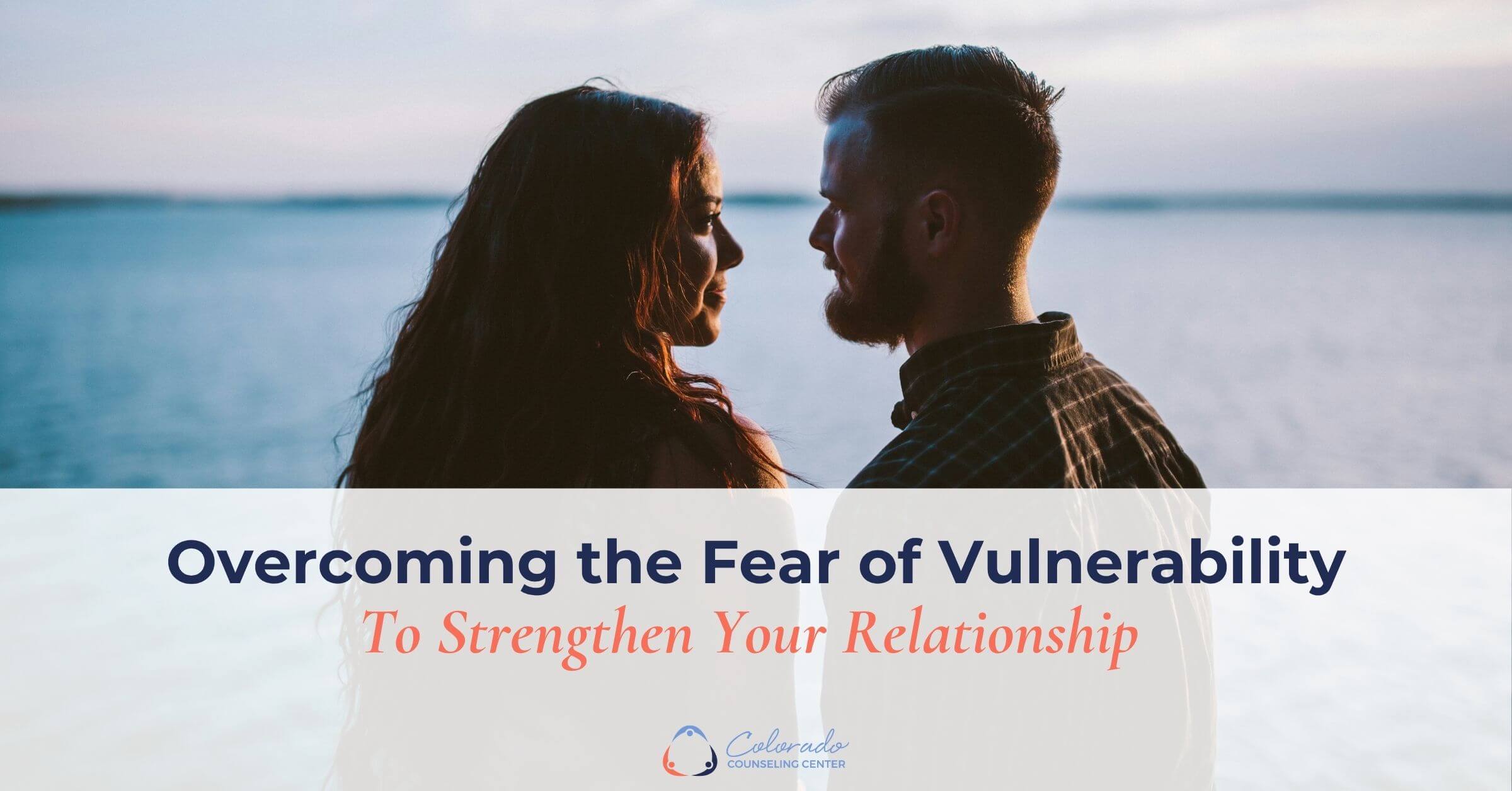
Overcome Fear of Vulnerability in Relationships.
In the intricate dance of relationships, vulnerability emerges as a powerful force that can either strengthen or strain the bonds between partners. While many fear exposing their true selves, embracing vulnerability can be a transformative journey that leads to deeper, more intimate connection.
In this post, we’ll explore the fear of being vulnerable in relationships: what causes it, how it holds couples back, and how couples counseling can help you overcome it to create lasting emotional closeness.
Why is Vulnerability So Hard In Relationships?
Opening up and exposing one’s vulnerabilities can feel daunting. Many people fear that showing their true emotions or struggles could lead to rejection, judgment, or abandonment. They worry:
- What if my partner sees me differently?
- What if they don’t like what they find?
- What if they use it against me someday?
This fear of vulnerability in relationships is often rooted in past experiences, insecurities, attachment patterns, or cultural messages that tell us it’s safer to stay guarded. For men in particular, these messages often start early and run deep. Read more in our post about how emotional walls form and what helps them come down.
What If My Partner Judges or Rejects Me?
Two of the most common fears are:
- Judgment: Fear that showing your authentic self will lead to criticism or disapproval
- Rejection: Concern that vulnerability will make your partner lose interest or pull away
These fears often come from unrealistic expectations or internalized pressure to “have it all together.” But the truth is, vulnerability can build trust — not erode it — when held in a loving and supportive relationship.
When You’re Afraid Your Partner Won’t Understand
Even when there’s emotional safety, many people still hold back for fear of being misunderstood. They worry their partner won’t fully grasp the depth of their feelings or experiences.
Yet sharing openly, even imperfectly, offers couples a chance to grow in empathy and learn to navigate emotional nuances together. Vulnerability is often the path to clearer communication and deeper understanding. Understanding the emotional risks of opening up — and why they’re worth taking — is often the first step toward meaningful change.
How Vulnerability Strengthens Your Relationship
Despite the fears that accompany it, vulnerability brings powerful relational benefits:
- Increased Intimacy: Sharing your inner world fosters a sense of emotional closeness and connection.
- Building Trust: When you reveal insecurities and are met with care, trust grows.
- Mutual Growth: Vulnerability encourages both partners to grow individually and together.
- Better Communication: It allows for honest dialogue and deeper emotional expression.
- Emotional Support: Being open helps couples offer and receive comfort, especially during difficult times.
How Couples Counseling Helps You Overcome Fear of Vulnerability
While moving toward vulnerability can feel overwhelming, couples counseling offers guidance, structure, and support to help partners face these fears together. Your fear of being vulnerable in relationships can diminish, resulting in more connection.
Here’s how therapy can help:
1. A Safe Space to Express Yourself
Counseling provides a neutral, compassionate environment where both partners can express themselves without fear of judgment. Therapists help facilitate open conversation so that each partner feels heard and understood.
2. Support for Clearer, More Open Communication
Trained therapists guide couples in sharing vulnerable emotions constructively, which reduces misunderstandings and builds empathy and resilience over time.
3. Understanding the Roots of Emotional Guarding
Counseling can help uncover the underlying reasons behind emotional guarding and the fear of vulnerability in relationships — such as past trauma, unmet needs, or attachment patterns — and begin to heal them.
4. Building Trust and Emotional Safety
Therapists help couples create the conditions for trust to grow. As emotional safety increases, so does the willingness to open up and be known more deeply. Small, consistent gestures of openness go a long way toward staying emotionally connected between sessions.
5. Learning Healthy Relationship Skills
Many of us weren’t taught how to be emotionally open. Counseling offers skills like active listening, emotional regulation, and conflict repair, essential tools for navigating vulnerability.
6. Releasing Perfectionism and Unrealistic Expectations
Therapy helps couples release perfectionism and embrace the shared humanity of their relationship. Vulnerability becomes less risky when both partners understand that it’s normal to have emotional needs.
7. Creating a Shared Vision for Your Relationship
Through guided conversations, couples can define what emotional connection means to them and create a shared vision of trust, support, and mutual growth.
How Do Couples Move from Fear to Connection?
The fear of vulnerability in relationships is real, but so is the potential for healing. When couples learn to navigate emotional risk with care, they often find a deeper, more resilient bond on the other side.
With support, vulnerability shifts from a threat to an invitation — a doorway into trust, intimacy, and a love that holds up over time.
Ready to Begin?
If you and your partner are struggling to open up or feel emotionally distant, couples counseling can help you reconnect and feel more secure together.
At Colorado Counseling Center, we offer relationship-focused therapy in Greenwood Village, Centennial, and online throughout Colorado. Let us walk with you as you move from guardedness to connection.
Do you need support in overcoming fears of vulnerability and creating deeper bonds?
Contact us today to ask a question or book a free 15-minute consultation.
Frequently Asked Questions About Fear of Being Vulnerable in Relationships
For more on this topic, read our post about everything you need to know before starting marriage counseling, or read more about our services for couples: couples therapy & counseling, marriage counseling, and Emotionally Focused Couples Therapy.
Not sure if couples counseling is right for you? Read 7 Signs You May Need Couples Therapy.
By Paul Sigafus, LMFT
Originally published November 13, 2023 · Updated August 1, 2026